
|
Getting your Trinity Audio player ready...
|
In 2026, measuring content marketing ROI is no longer optional—it’s essential for growth. It’s about proving impact, driving revenue, and optimizing performance continuously.
With tighter budgets and higher expectations, businesses are now asking one critical question:
“Is our content actually delivering ROI?”
Let’s break down how to measure content marketing ROI effectively—and strategically—in FY 2025-2026.
Why Measuring Content Marketing ROI Matters More Than Ever
Content marketing has evolved into a core growth engine, not just a branding tool.
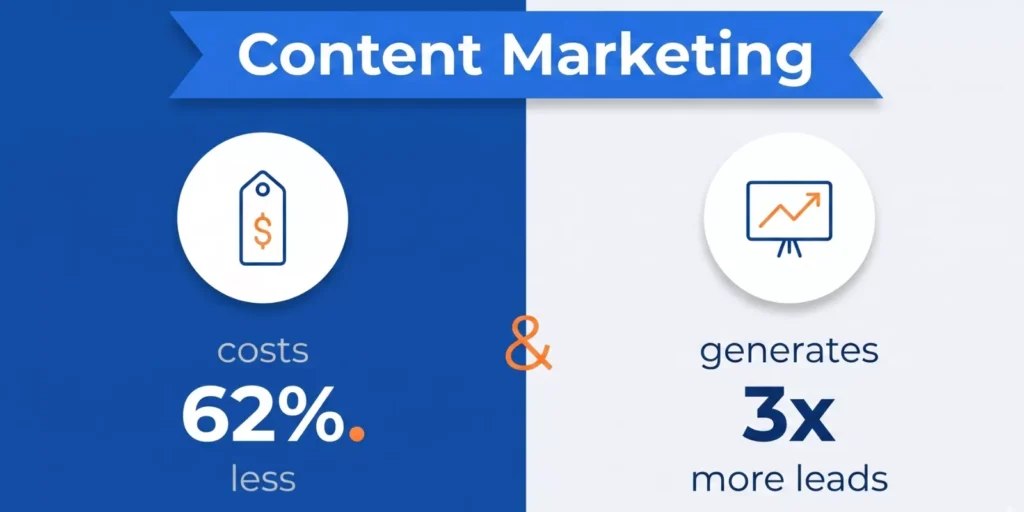
- It costs 62% less than traditional marketing
- Generates 3x more leads
- Drives long-term organic growth
The Reality of Content Marketing Today
Despite widespread adoption, many businesses still struggle with ROI clarity.
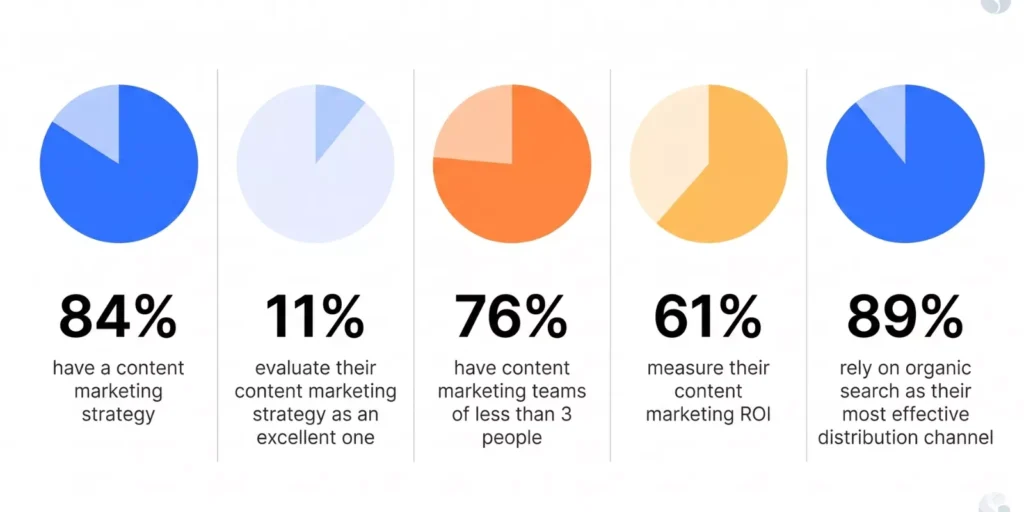
- 84% have a content marketing strategy
- Only 11% rate it as “excellent”
- 76% operate with small teams
- 61% actually measure ROI
- 89% rely heavily on organic search
Insight:
Having a strategy ≠ having a measurable strategy.
Key Metrics That Define ROI in 2026
To measure ROI effectively, you need to go beyond vanity metrics.
1. Engagement Metrics (Top of Funnel)
- Likes, shares, comments
- Time on page
- Scroll depth
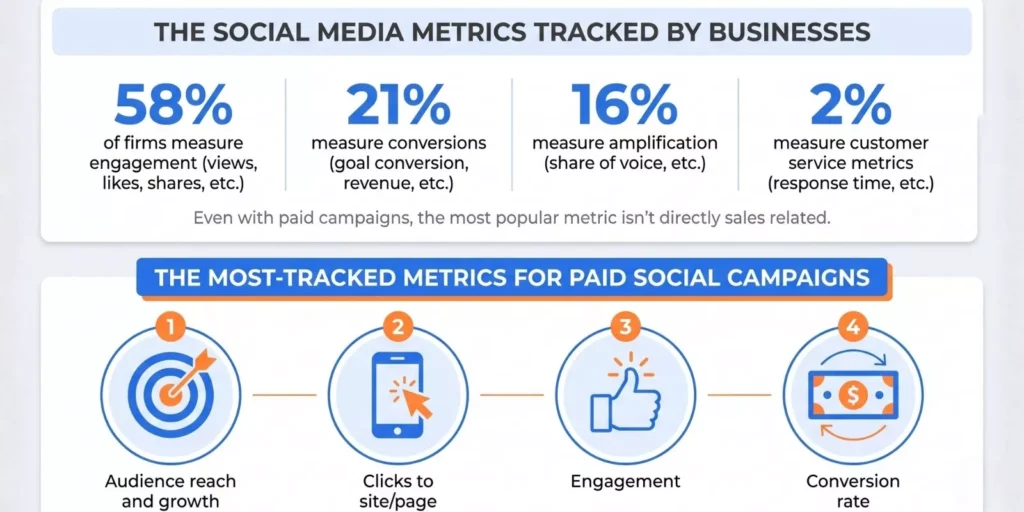
58% of businesses still prioritize engagement.
2. Conversion Metrics (Middle of Funnel)
- Form submissions
- Downloads
- Demo requests
Only 21% track conversions properly—this is where most ROI gaps exist.
3. Amplification Metrics
- Shares & mentions
- Brand visibility
- Share of voice
4. Customer Experience Metrics
- Response time
- Customer satisfaction
- Retention signals
The Most Important Paid Campaign Metrics
When it comes to paid content distribution, focus on:
- Audience reach & growth
- Clicks to website
- Engagement
- Conversion rate
AMS Tip: Don’t just track clicks—track what happens after the click.
How to Actually Measure Content Marketing ROI
Here’s a simple but powerful framework:
Step 1: Define Clear Goals
Tie content to business outcomes:
- Lead generation
- Revenue
- Customer acquisition
- Retention
Step 2: Assign Value to Conversions
Example:
- Ebook download = ₹200 value
- Qualified lead = ₹2,000 value
Step 3: Track the Full Funnel
Use tools like:
- Google Analytics 4
- CRM systems
- Marketing automation platforms
Track:
First touch
Assisted conversions
Last touch
Step 4: Use the ROI Formula
ROI = (Revenue from Content – Cost of Content) / Cost of Content × 100
Step 5: Optimize Continuously
- Double down on high-performing content
- Repurpose top assets
- Eliminate low-ROI efforts
The Role of Organic Search in ROI
With 89% of marketers relying on organic search:
- SEO-driven content delivers compounding returns
- Evergreen content continues generating leads over time
Insight:
In 2026, search + intent-based content = highest ROI channel
Common Mistakes to Avoid
- Measuring only likes & views
- Ignoring conversion tracking
- Not aligning content with business goals
- Failing to attribute revenue properly
What High-Performing Teams Do Differently
✔ Focus on revenue, not just reach
✔ Align content with buyer journey
✔ Use data to guide decisions
✔ Invest in SEO + long-form content
✔ Continuously test and optimize
Final Thoughts
Content marketing ROI in 2026 isn’t about guessing—it’s about measuring what truly matters.
The brands that win will be the ones that:
- Track smarter
- Optimize faster
- And connect content directly to revenue
Ready to turn your content into a measurable growth engine?
Let AMS help you build a data-driven content strategy that delivers real ROI.
Get in touch with our experts today.